
You’ve hit that wall before. A simple API call fails with a cryptic “500 Internal Server Error,” and your app grinds to a halt. Hours vanish debugging vague messages while users complain.
APIs power modern apps, so poor error handling wastes time and frustrates everyone. Clients need clear signals on success or failure to respond fast. Servers must communicate issues without exposing secrets.
This post breaks it down. You’ll learn HTTP status codes, JSON response formats, error structures in REST and GraphQL, plus 2026 best practices like RFC 9457. By the end, you’ll build APIs that guide developers confidently through any issue.
What HTTP Status Codes Mean for API Success and Failure
HTTP status codes act as the first clue in API communication. They tell clients right away if a request worked or failed. Check them before parsing the body, because that saves headaches later.
Codes fall into families. Success starts with 2xx. Client issues hit 4xx. Server problems land in 5xx. Developers ignore these at their peril.

For example, fetch a user by ID. A 200 means data arrived. A 404 signals no such user exists. Always log the code first in your client code.
In 2026, tools expect precise codes. See this complete guide to HTTP status codes in 2026 for more examples.
Spotting Success: The 2xx Family
Success codes begin with 2xx. They confirm the server processed your request as expected.
Most common is 200 OK. Use it for GET requests that return data. The body holds your JSON payload, like user details or a list of items.
Then comes 201 Created. POST a new resource, and servers reply with 201 plus the new item’s ID. For instance, add a user, get back their profile with a unique identifier.
Clients trust 2xx fully. No errors lurk here. Parse the body knowing everything succeeded.
Keep bodies consistent too. Always include data under a “data” key if possible.
Client Mistakes: Decoding 4xx Errors
4xx codes point to client problems. Fix your request, and it works.
400 Bad Request flags invalid syntax or missing fields. Send wrong JSON, get 400.
404 Not Found means the resource does not exist. Wrong URL path triggers this.
Validation fails bring 422 Unprocessable Entity. Data formats wrong, like a string where a number belongs.
Duplicates cause 409 Conflict. Try creating a user with an existing email.
429 Too Many Requests enforces rate limits. Servers add a Retry-After header.
These stay fixable. Update your call, retry.
Server Woes: Understanding 5xx Codes
5xx codes mean server trouble. Clients cannot fix them alone.
500 Internal Server Error covers unexpected crashes. Do not leak stack traces; keep it generic.
503 Service Unavailable signals overload or maintenance. Retry later with exponential backoff.
For 503, clients wait doubling intervals: 1s, 2s, 4s. This prevents overload.
Servers log details internally. Never expose sensitive info.
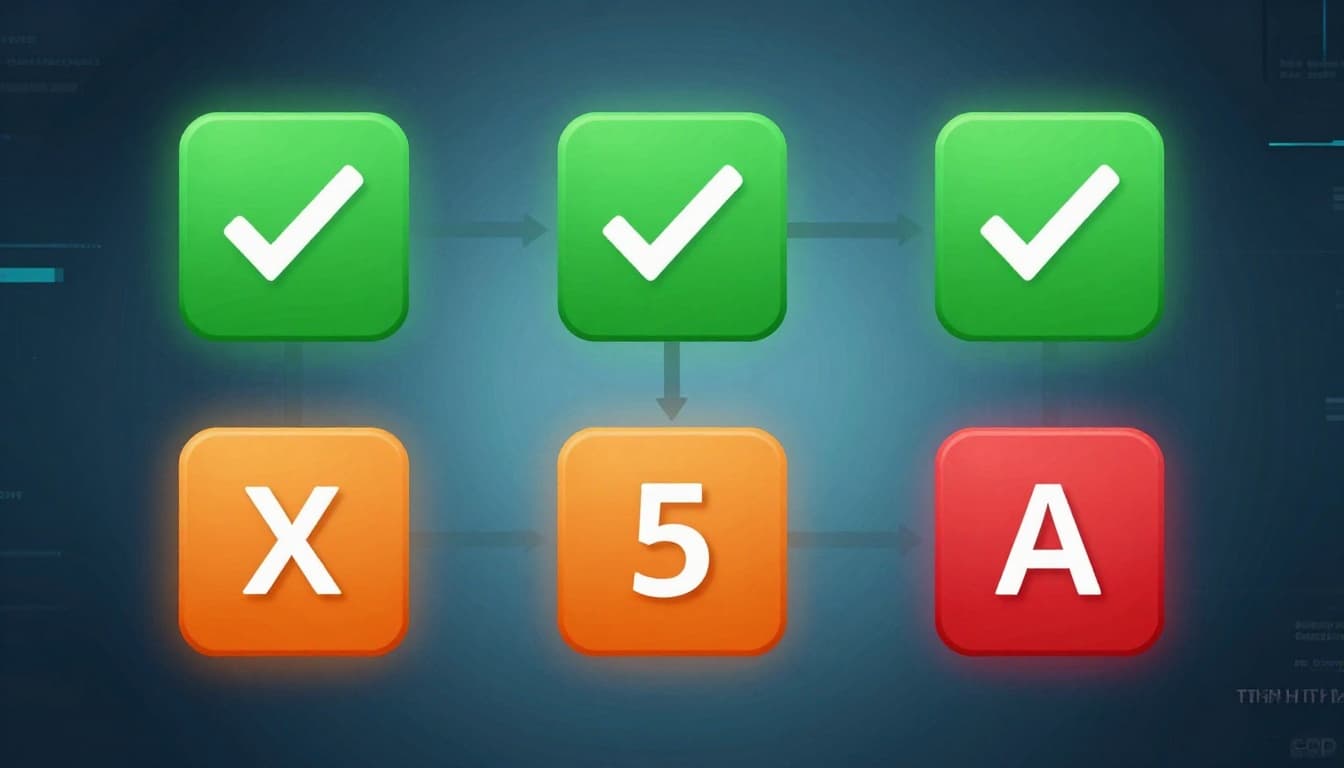
Building Clear Successful Responses in JSON
Success responses shine with simple JSON. Keep them predictable so clients parse without fuss.
Under 200 OK, send an object like: { “data”: { “id”: 123, “name”: “Jane Doe”, “price”: 29.99 } }. Wrap data in a key for consistency.
For 201 Created, add the new resource plus a location header. Body mirrors the 200 format.
Empty bodies fit 204 No Content. DELETE succeeds? Send 204, no body needed.
Pagination adds meta: { “data”: […], “meta”: { “page”: 1, “total”: 100 } }.
Consistency rules. Clients expect the same shape every time. This cuts bugs.
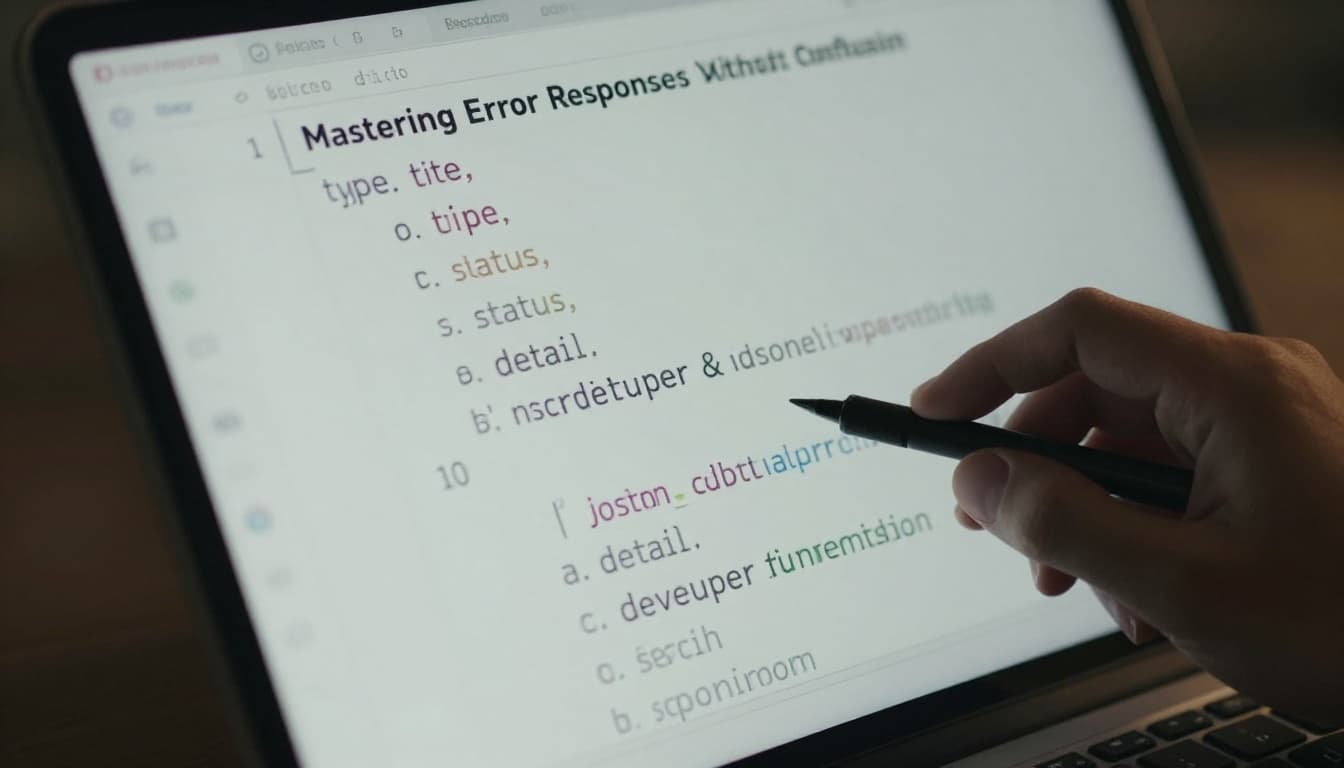
Mastering Error Responses Without Confusion
Errors demand structure. Vague messages frustrate; clear ones empower fixes.
RFC 9457 defines Problem Details. This 2023 standard rules 2026 APIs. It uses JSON with type (URL), title, status, detail, instance.
Example for bad input: { “type”: “https://example.com/probs/validation-error“, “title”: “Invalid Data”, “status”: 422, “detail”: “Email missing @ symbol” }.
Avoid stack traces or database info. Clients read details; servers log extras.
Global handlers ensure uniformity. Catch exceptions once, format everywhere.
REST and GraphQL differ here. REST pairs codes with bodies. GraphQL stays 200 OK always.
Check this guide to RFC 9457 Problem Details for setup tips.
REST APIs: Structured Errors Everyone Loves
REST shines with 4xx/5xx plus detailed bodies. For validation, hit 422 with Problem Details.
Rate limits use 429 and Retry-After: 60 seconds wait.
One handler maps errors to JSON. Frameworks like Spring Boot support RFC 9457 natively now.
Short, safe messages help. Log full traces server-side.
GraphQL’s Unique Approach to Errors
GraphQL returns 200 OK every time. Errors live in a body array: { “data”: { “user”: null }, “errors”: [ { “message”: “User not found”, “locations”: […], “path”: [“user”] } ] }.
Partial success rules. One field fails; others deliver.
Use HTTP codes only for auth or network woes. Schema catches type errors automatically.
See GraphQL error handling strategies for client tips.
Best Practices and 2026 Trends for Rock-Solid APIs
Solid APIs follow patterns that scale. Start with consistent codes across endpoints.
Machine-readable errors aid AI tools. RFC 9457 adoption surges in frameworks like Quarkus and Spring.
Rate limit with 429 and Retry-After. Clients back off smartly.
Circuit breakers stop error cascades. Five fails? Pause calls 30 seconds.
Structured logging tracks issues. Tools like OpenTelemetry trace across services.
Test errors safely. Mock 5xx, validate responses.
In 2026, observability rules. Dynamic alerts spot anomalies fast.
This REST API best practices checklist for 2026 covers more.
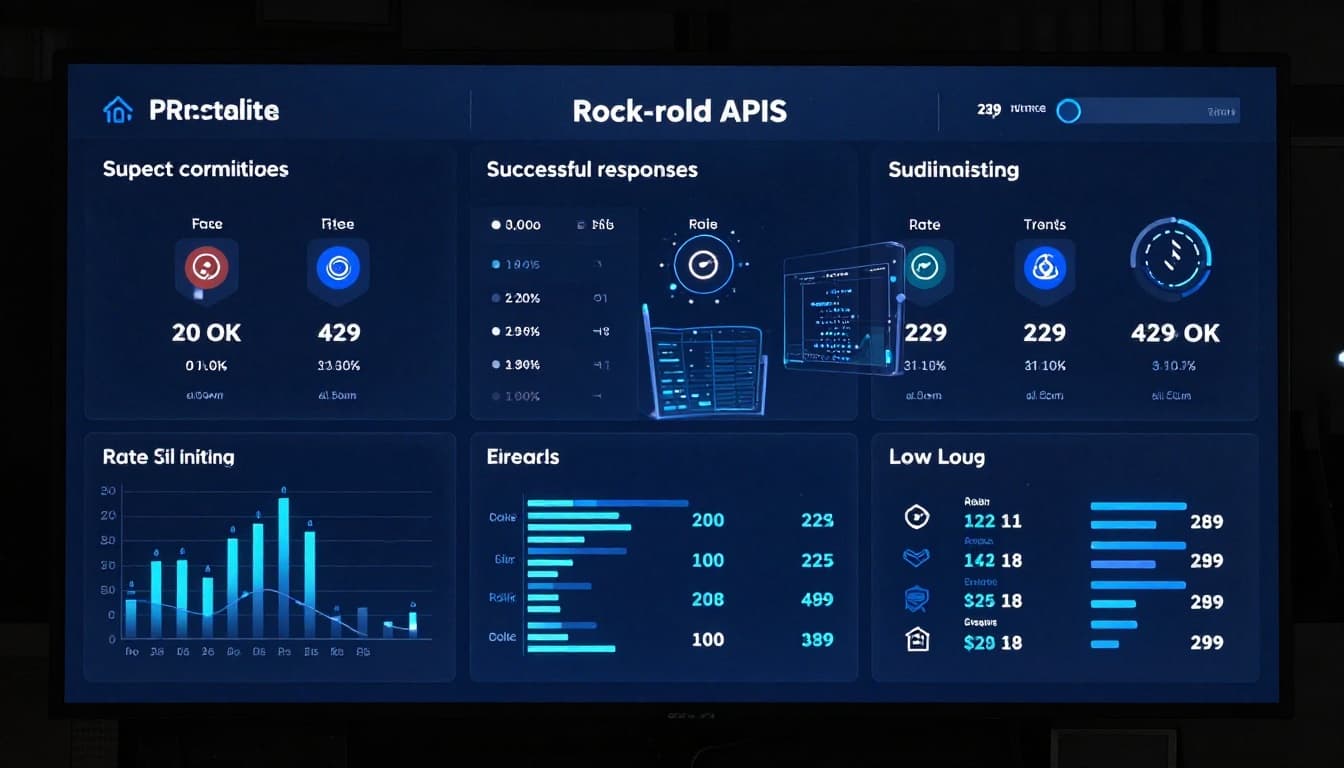
Trends favor standards. Errors spike in AI APIs, so clear responses cut downtime.
Implement global handlers today. Your apps gain reliability.
Status codes guide quick decisions. Structured JSON like RFC 9457 clarifies next steps. REST signals via HTTP; GraphQL packs details in 200s.
Audit your APIs now. Pick one practice, like Problem Details, and roll it out.
Share your error war stories in comments. What fixed your toughest API headache? Try a circuit breaker this week; watch failures shrink.