
Picture this: you tap “buy now” for a coffee on your phone app. Funds zip from your account to the seller’s in seconds. You barely notice.
Payment systems rely on APIs to make this happen. These APIs act as quick messengers. They connect your shopping site to banks and processors. No need for you to mail checks or call in orders anymore.
In March 2026, these tools shine. They handle transactions in under two seconds on average for approvals. AI boosts safety. Global reach grows with local options like ACH or UPI. Businesses love the speed and low hassle.
This post breaks it down. You’ll see what payment APIs do first. Then follow a full transaction step by step. Next come security tricks and top picks like Stripe. Finally, peek at 2026 trends. Ready to uncover the magic?
What Payment APIs Do to Make Online Shopping Seamless
Payment APIs let websites chat directly with banks. They skip storing your card details. That’s a big win for safety.
Old systems batched payments overnight. Slow and error-prone. Now APIs work in real time. You click pay on a pizza site. The API sends info to a gateway like Stripe. It checks everything fast.
Businesses pick these APIs because setup takes minutes. They support cards, Apple Pay, or bank transfers. Global customers pay in their currency. No manual math needed.
For example, a small shop adds Stripe code. Boom: customers pay with one click. Sales rise without tech headaches.
APIs beat typing details each time. They remember safe tokens from past buys. Friction drops. Cart abandonment falls by 20% in many cases.

From Website Button to Bank Connection
You hit “pay now.” The site calls the API right away. It grabs your card info. Then tokenizes it fast. A token hides the real numbers. The API shoots this to the gateway. Connection forms in milliseconds. No delays.
Step by Step: Tracking a Transaction from Click to Cash
Let’s track one buy. Say you order shoes online. Here’s the flow, like a relay race with data.
- You enter details. Type card number, name, amount. Site frontend collects it.
- API encrypts and tokenizes. Real card turns into a safe token. Merchant never sees full info.
- Data hits the gateway. Stripe or similar gets the request.
- Gateway talks to networks. It pings Visa, Mastercard, or bank.
- Bank checks funds. Verifies balance, no fraud flags.
- Approval or decline. Bank says yes or no.
- Response races back. Gateway relays it through API.
- Site confirms. You see “paid.” Email arrives.
- Funds settle. Money lands in seller account, often 1-3 days. Instant options grow in 2026.
This full loop takes under two seconds for steps 1-8. Settlement lags behind. If funds lack, step 5 fails. You get “declined” fast. No charge.
Imagine the baton pass. Drop it, race stops. APIs ensure smooth handoffs. Retries use keys to avoid doubles.
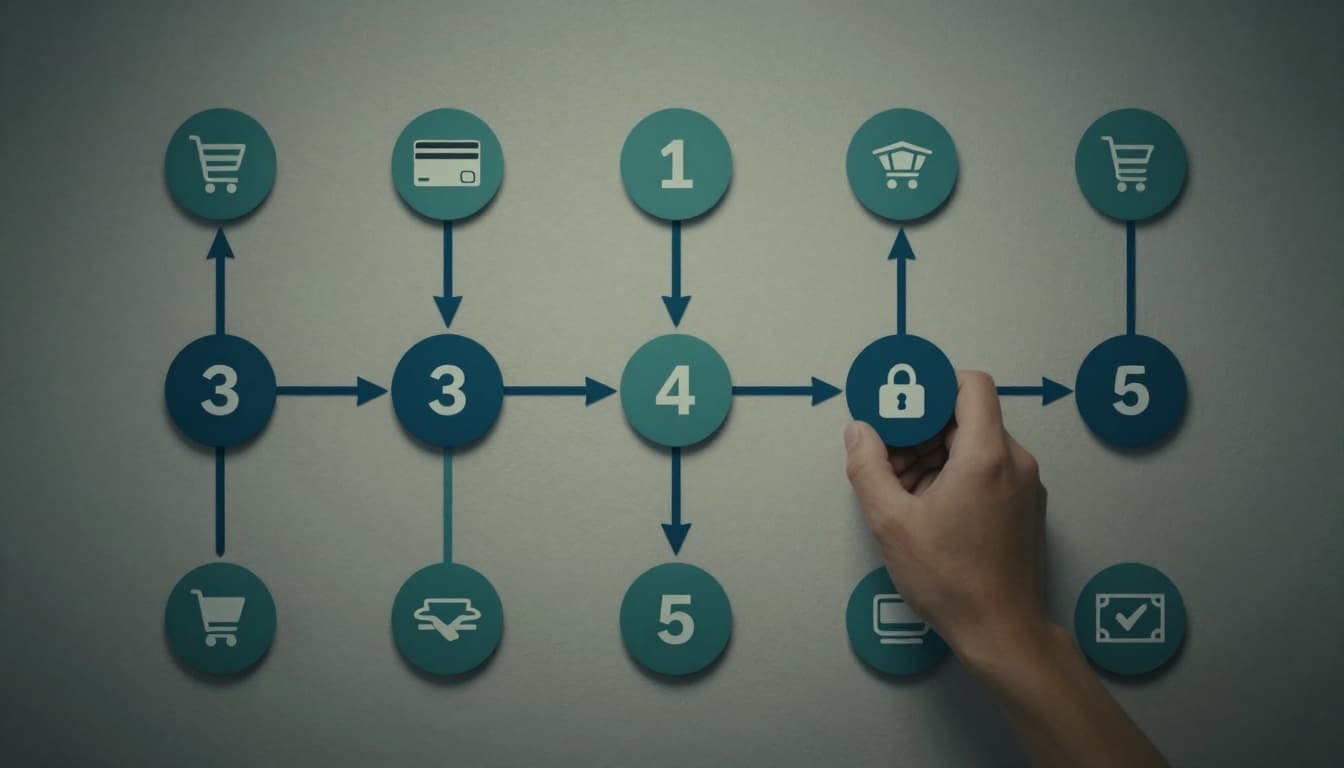
Encryption and Tokenization: Hiding Card Details Safely
Step 2 shines here. Encryption scrambles data. Tokenization swaps card for a random code. Banks match it later. Hackers grab nothing useful. For details on tokenization, check J.P. Morgan’s guide.
Bank Checks and Quick Approvals
Banks verify in steps 4-6. They scan for enough money. Check if card works. Spot odd patterns with AI. Response flies back same path. Fast because APIs skip paper trails.
Settlement: When the Money Hits Your Account
Step 9 wraps it. Traditional takes 1-3 days via ACH. New rails like RTP offer seconds. Weekends slow it. Sellers track via dashboards.
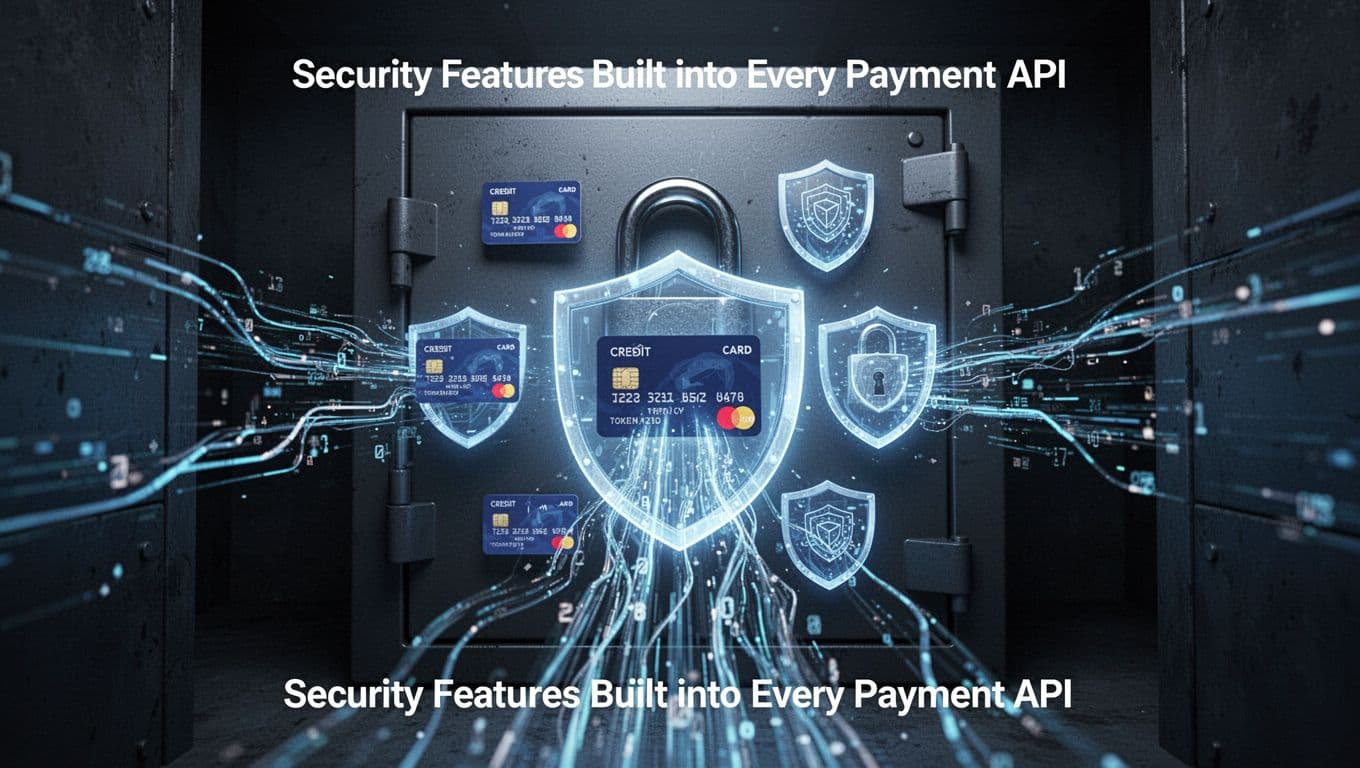
Security Features Built into Every Payment API
APIs follow PCI rules strict. You outsource the worry. They use tokenization first. No card storage on your server.
Idempotency keys prevent double charges. Retry a failed call? Same key blocks extras.
AI spots fraud live. Weird buys trigger holds. Webhooks ping your site on updates.
These beat cash risks. No lost wallets. Stats show online fraud drops 30% with good APIs.
For a clear breakdown of Stripe’s transaction process, see their docs.
Idempotency and Webhooks: Avoiding Errors and Staying Updated
Idempotency tags requests unique. Network glitch? Retry safe. Webhooks push alerts like “paid, ship now.” No polling needed. Both cut errors big time.
Top Payment APIs Businesses Rely on in 2026
Stripe leads for devs. Simple code, global cards, wallets. PayPal builds trust with buyer protection.
Square fits small shops. Easy POS links. Adyen handles big international volume. Razorpay speeds India buys.
| Provider | Best For | Key Support |
|---|---|---|
| Stripe | Web devs | Cards, Apple Pay, APIs |
| PayPal | Trust | Wallets, global |
| Square | Small biz | POS, quick setup |
| Adyen | Enterprise | Multi-currency |
Pick by needs. Stripe docs explain payment APIs well.
Stripe and PayPal: Giants for Web and Mobile
Stripe excels in custom flows. PayPal wins on recognition. Both tokenizes safe. Use PayPal’s Orders API guide for setups.
2026 Trends: Payments Getting Faster and Smarter
Instant payments boom. Money moves 24/7 via A2A. AI agents shop auto. They pick, pay, done.
Local rails beat SWIFT. ACH instant for US. AI fights fraud smarter. Spots patterns before loss.
Orchestration routes best path. Low fees, high success. Mastercard pushes agent pay.

Global sales simplify. Your site auto-detects methods.
Payment APIs turn complex tasks invisible. They deliver fast, safe transactions every time.
Integrate one today, like Stripe. Test a sandbox buy. What’s your favorite API? Share below.
2026 brings even quicker wins with AI and instants. Your business stays ahead.